Skin Health Guide: Your skin is the largest organ in the body, and it serves as far more than a cosmetic surface. It is a dynamic, living barrier that protects against infection, regulates temperature, produces vitamin D, senses the environment, and provides crucial immunological defense. It is also a window into internal health — changes in the skin often reflect what is happening beneath the surface, in nutrition, hormonal balance, gut health, and overall systemic wellness.
Achieving and maintaining healthy skin requires a genuinely holistic approach — one that goes far beyond expensive creams and serums. This guide explores what the science says about skin health from the inside out, covering nutrition, lifestyle habits, common skin conditions, and essential skincare practices.
The Structure of Skin: A Quick Overview
Skin consists of three primary layers. The epidermis is the outermost layer, providing the first barrier against the environment. Its outermost part — the stratum corneum — consists of dead, flattened cells embedded in lipids that form the skin’s barrier function. Below the epidermis is the dermis, which contains collagen and elastin fibers that give skin its strength and elasticity, along with hair follicles, sweat glands, and sebaceous (oil) glands. The deepest layer is the hypodermis, a layer of fat that provides insulation, cushioning, and structural support.
Collagen — the most abundant protein in the body — is the structural scaffolding of the dermis. Its breakdown with age, UV exposure, and oxidative stress is the primary driver of wrinkles and sagging. Supporting collagen production and protecting against its degradation is therefore a central goal of anti-aging skin health.
Nutrition and Skin Health
Antioxidants: Your Skin’s Defense
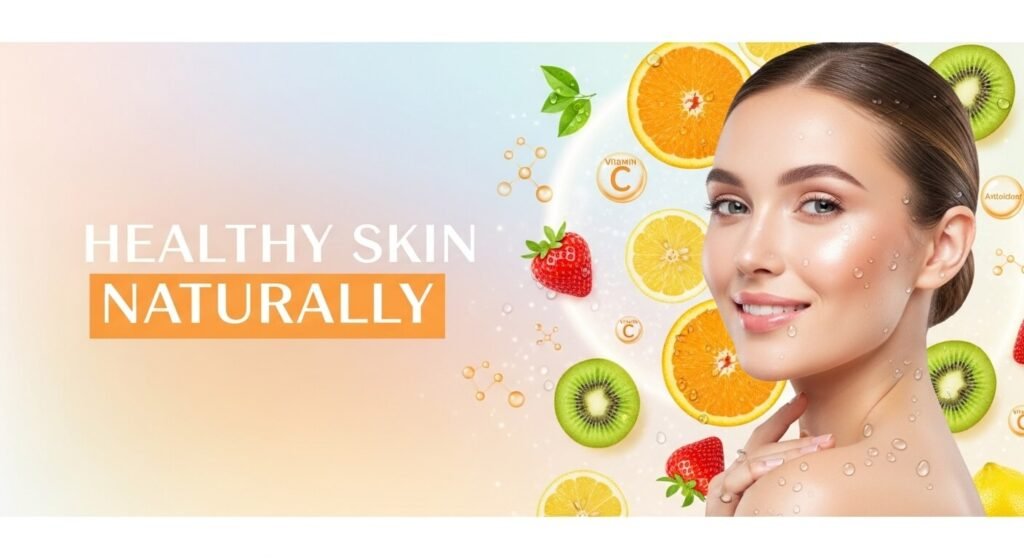
Free radicals — unstable molecules generated by UV radiation, pollution, cigarette smoke, and metabolic processes — attack collagen, DNA, and cell membranes, accelerating skin aging and contributing to skin cancer risk. Antioxidants neutralize free radicals, providing a critical line of defense. Key antioxidants for skin health include vitamin C (essential for collagen synthesis and a powerful antioxidant), vitamin E (protects cell membranes and works synergistically with vitamin C), vitamin A and beta-carotene (support cell turnover and skin repair), selenium, and polyphenols from colorful fruits and vegetables, green tea, and dark chocolate.
Omega-3 Fatty Acids
Omega-3 fatty acids — found in fatty fish, flaxseeds, walnuts, and chia seeds — are essential components of cell membranes throughout the body, including the skin. They help maintain the skin’s lipid barrier, reducing transepidermal water loss (TEWL) and keeping skin hydrated and supple. Omega-3s also have potent anti-inflammatory effects, making them particularly beneficial for inflammatory skin conditions like eczema, psoriasis, and acne.
Vitamin C
Vitamin C is arguably the most important single nutrient for skin health. It is essential for collagen synthesis — without adequate vitamin C, the body cannot produce or maintain collagen. It is a powerful antioxidant that protects against UV-induced damage, and it brightens skin by inhibiting melanin production. Dietary sources include citrus fruits, strawberries, kiwi, bell peppers, and broccoli. Topical vitamin C (in stable formulations) is also highly effective and evidence-based.
Hydration
The skin needs water from the inside out. Adequate hydration supports the delivery of nutrients to skin cells, the removal of waste products, and the maintenance of the skin’s barrier function. While drinking water alone does not directly plump or reverse dry skin, chronic dehydration noticeably affects skin appearance and function. Aim for adequate total fluid intake — including from water-rich foods — and support skin hydration with appropriate topical moisturizers.
Collagen and Protein
Dietary protein provides the amino acids needed to build collagen and other skin proteins. Adequate protein intake — including glycine and proline-rich sources like bone broth, chicken skin, and collagen supplements — supports skin structure. Emerging evidence suggests that hydrolyzed collagen supplements (collagen peptides) may improve skin hydration, elasticity, and reduce wrinkles, though the research, while promising, is still maturing.
The Gut-Skin Axis
The connection between gut health and skin health is increasingly recognized. Dysbiosis — imbalance in the gut microbiome — has been linked to inflammatory skin conditions including acne, eczema (atopic dermatitis), psoriasis, and rosacea. The mechanisms involve systemic inflammation, immune dysregulation, and impaired gut barrier function allowing inflammatory molecules to enter the bloodstream and trigger skin responses.
Supporting gut health through a fiber-rich diet, fermented foods, stress management, and adequate sleep can have measurable benefits for skin health. Some people with chronic skin conditions find that dietary modifications — including reducing dairy, high-glycemic foods, or specific trigger foods — produce significant improvements.
Lifestyle Factors That Impact Skin
Sun Protection: Non-Negotiable
UV radiation from the sun is the single largest extrinsic cause of skin aging and skin cancer. It breaks down collagen and elastin, causes hyperpigmentation, damages DNA in skin cells, and drives the development of actinic keratoses and skin cancers including melanoma. Daily broad-spectrum sunscreen use (SPF 30 or higher) is the most evidence-based anti-aging and skin cancer prevention intervention available.
Seek shade during peak UV hours (10 AM to 4 PM), wear protective clothing and a broad-brimmed hat, and never use tanning beds. This single habit has more impact on long-term skin health and appearance than any product or treatment.
Sleep
The phrase ‘beauty sleep’ is grounded in real biology. During sleep, growth hormone levels peak, driving cell turnover and collagen synthesis. Blood flow to the skin increases, delivering oxygen and nutrients. Inflammatory markers decrease. Chronic sleep deprivation is visibly apparent in skin — causing dullness, dark circles, puffiness, and reduced skin barrier function. For skin health as well as overall health, prioritizing seven to nine hours of quality sleep is essential.
Smoking and Alcohol
Smoking accelerates skin aging dramatically. It constricts blood vessels in the skin, reducing blood flow and depriving skin of oxygen and nutrients. It also directly breaks down collagen and elastin through the action of matrix metalloproteinases. Smokers develop characteristic deep wrinkles, a sallow complexion, and impaired wound healing at a much younger age than non-smokers.
Excess alcohol causes vasodilation and flushing, dehydrates the skin, depletes vitamins and minerals essential for skin repair, and can worsen conditions like rosacea and psoriasis. Moderate consumption has fewer observable effects, but heavy drinking consistently impairs skin health.
Stress
Stress triggers the release of cortisol, which increases sebum production (contributing to acne), impairs the skin barrier, promotes inflammation, and can exacerbate psoriasis, eczema, and rosacea. Managing stress through exercise, mindfulness, adequate sleep, and social connection is a genuine skincare strategy.
Common Skin Conditions and Their Management
Acne
Acne develops when hair follicles become plugged with oil and dead skin cells, often complicated by the bacterium Cutibacterium acnes. It is driven by hormonal fluctuations, excess sebum, clogged pores, and inflammation. Evidence-based treatments include topical retinoids, benzoyl peroxide, topical and oral antibiotics, salicylic acid, and for severe or hormonal acne, oral isotretinoin or hormonal therapies. Dietary factors — particularly high-glycemic diets and dairy — may contribute in susceptible individuals.
Eczema (Atopic Dermatitis)
Eczema is a chronic inflammatory skin condition characterized by intense itching, redness, dryness, and skin barrier dysfunction. It is associated with allergies and asthma and has a strong genetic component. Management includes regular moisturization with thick emollients to repair the skin barrier, topical corticosteroids for flares, topical calcineurin inhibitors, and for moderate to severe cases, dupilumab (a biologic) and JAK inhibitors.
Psoriasis
Psoriasis is an autoimmune condition causing rapid skin cell turnover, resulting in thick, scaly, inflamed patches. It can affect quality of life profoundly and is associated with systemic inflammation and comorbidities including psoriatic arthritis, cardiovascular disease, and depression. Treatments range from topical agents for mild disease to phototherapy, systemic medications, and highly effective biologics for moderate to severe cases.
Skin Cancer
Skin cancer is the most common cancer in the United States. Basal cell carcinoma and squamous cell carcinoma are most common and highly treatable when caught early. Melanoma is less common but far more dangerous, with potential for rapid spread. Monthly self-examination, awareness of the ABCDE signs (asymmetry, border irregularity, color variation, diameter, evolving), and annual dermatologist visits for high-risk individuals are key to early detection. Sun protection is the primary prevention strategy.
Building a Foundational Skincare Routine
A simple, consistent skincare routine tailored to your skin type is more effective than a complicated regimen of multiple active ingredients. The essentials include a gentle cleanser appropriate for your skin type, a broad-spectrum SPF 30+ sunscreen every morning (non-negotiable), a moisturizer to support the skin barrier, and for anti-aging and skin health, a retinoid (vitamin A derivative) used in the evening several nights per week. Retinoids are the most evidence-based topical anti-aging ingredient, backed by decades of research demonstrating improvement in fine lines, skin texture, hyperpigmentation, and collagen production.
Vitamin C serum applied in the morning can enhance sun protection and brighten skin. Niacinamide supports the skin barrier, reduces inflammation, and minimizes pores. Exfoliation two to three times per week (chemical exfoliants like AHA/BHA are generally preferable to physical scrubs) supports cell turnover.
Conclusion
Healthy, vibrant skin is the product of consistent, evidence-based care from both the inside and outside. What you eat, how you sleep, how you manage stress, whether you protect yourself from UV radiation, and the simple routine you follow every morning and evening all contribute meaningfully to your skin’s health, appearance, and resilience. Beautiful skin is not the exclusive province of genetics or expensive treatments — it is the reward of understanding your skin and taking care of the whole person behind it.
Disclaimer: This article is for informational purposes only and does not constitute medical advice. Always consult a qualified healthcare provider for personal health guidance.