

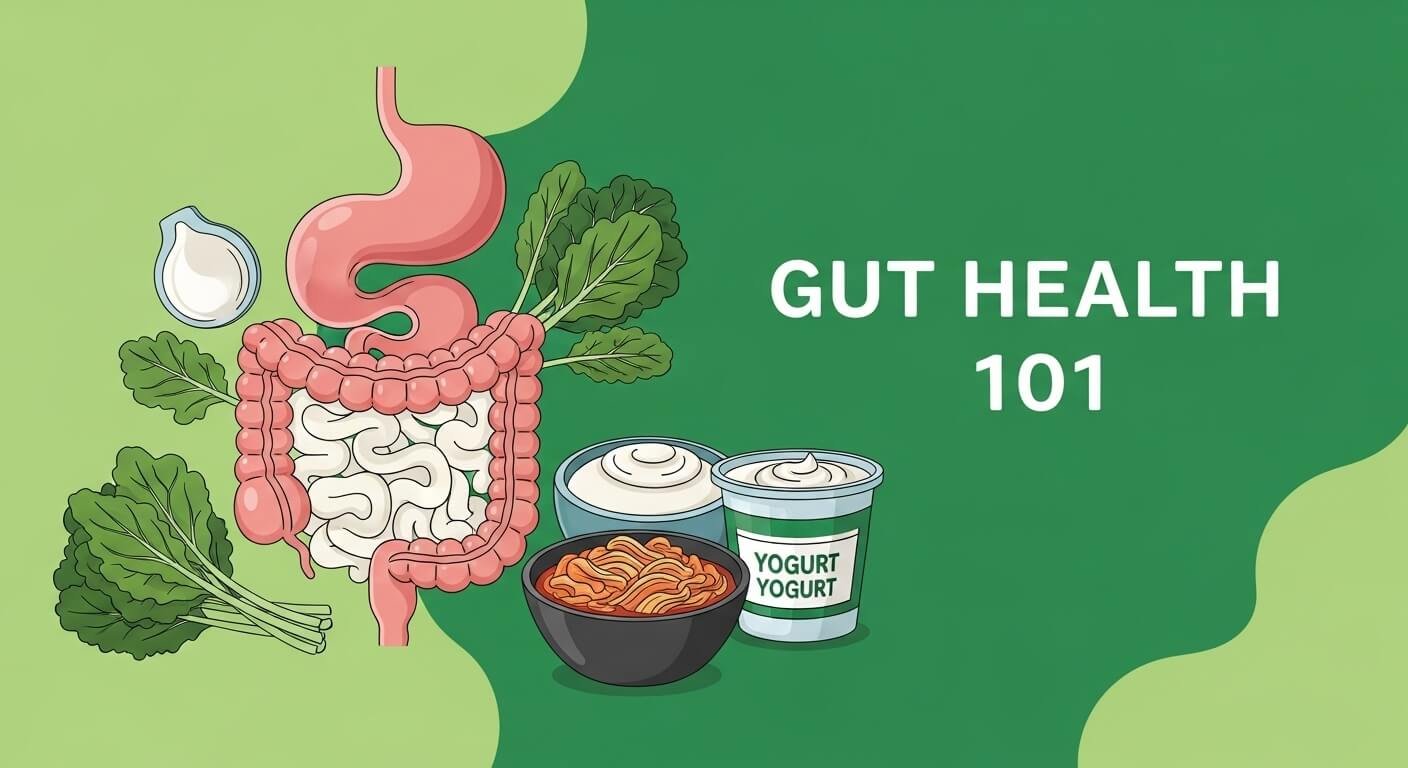
Gut Health 101: Improve Your Microbiome Naturally: Inside your gut lives a vast, complex ecosystem of trillions of microorganisms — bacteria, fungi, viruses, and other microbes — collectively known as the gut microbiome. Far from being unwelcome residents, these microscopic organisms play a fundamental role in nearly every aspect of your health, from digestion and immunity to mood, metabolism, and even brain function. The science of the microbiome is one of the most exciting and rapidly evolving fields in modern medicine, and what we are learning is nothing short of revolutionary.
What Is the Gut Microbiome?
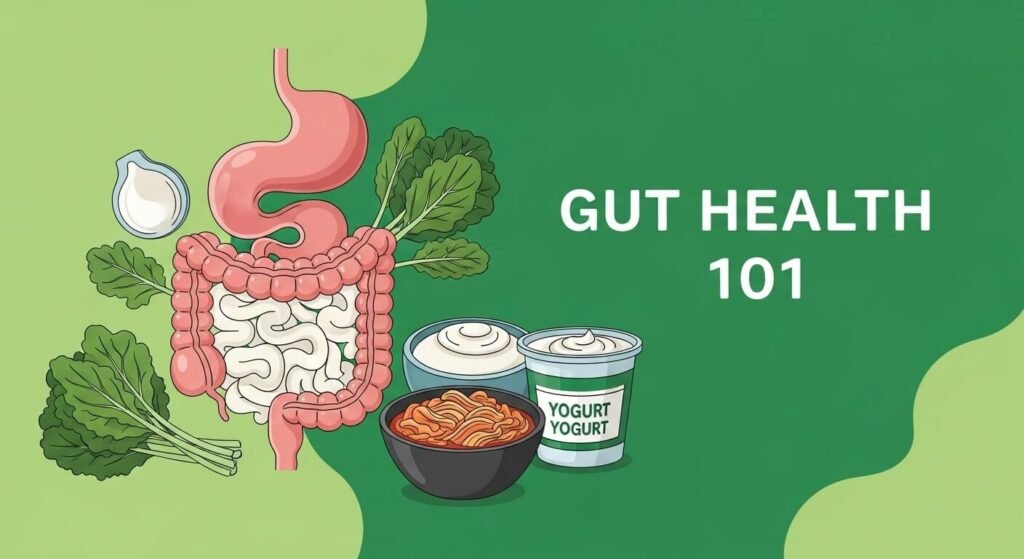
The gut microbiome refers to the community of microorganisms living primarily in your large intestine, which contains the highest density and diversity of microbes in the body. A healthy human gut is estimated to contain over 1,000 different species of bacteria, with the exact composition varying significantly from person to person and influenced by genetics, diet, environment, age, and lifestyle.
Collectively, these microbes perform tasks that the human body cannot accomplish on its own. They break down dietary fibers into short-chain fatty acids (SCFAs), synthesize certain vitamins (including vitamin K and several B vitamins), metabolize bile acids, regulate the immune system, protect against pathogenic invaders, and communicate with the brain via the gut-brain axis.
The Gut-Brain Axis: Your Second Brain
One of the most fascinating discoveries in microbiome science is the extent to which the gut communicates with the brain. This bidirectional communication system — known as the gut-brain axis — involves the vagus nerve, immune signaling molecules, hormones, and neurotransmitters. Remarkably, about 90 percent of the body’s serotonin — a neurotransmitter central to mood regulation — is produced in the gut.
Research has shown that gut microbiome composition influences behavior, stress responses, and emotional wellbeing. Disruptions in the microbiome have been linked to conditions including depression, anxiety, autism spectrum disorder, and even Alzheimer’s disease. While this field is still evolving, the evidence strongly suggests that taking care of your gut is also taking care of your mental health.
How the Microbiome Supports Immunity
Approximately 70 to 80 percent of the immune system resides in the gut. The microbiome plays a critical role in immune development and function. It helps train the immune system to distinguish between harmful pathogens and harmless or beneficial microbes, modulates inflammatory responses, produces antimicrobial compounds that inhibit pathogen growth, and reinforces the integrity of the gut lining, which acts as a physical barrier against harmful substances.
A compromised gut microbiome — often referred to as dysbiosis — has been linked to increased gut permeability (sometimes called ‘leaky gut’), chronic inflammation, and heightened susceptibility to autoimmune conditions including inflammatory bowel disease, rheumatoid arthritis, and type 1 diabetes.
Signs Your Gut Health May Be Compromised
Your gut sends signals when something is off. Common signs of an imbalanced microbiome include frequent bloating, gas, diarrhea, or constipation; food intolerances; recurring stomach discomfort; unexplained fatigue; brain fog or difficulty concentrating; skin conditions like eczema, acne, or rosacea; frequent illness; unintentional weight changes; and mood disturbances including anxiety and depression. While these symptoms can have many causes, an unhealthy gut microbiome is often a contributing factor.
What Disrupts the Microbiome?
Antibiotics
Antibiotics are life-saving medicines, but they do not discriminate — they kill beneficial bacteria along with harmful ones. Even a short course of antibiotics can significantly disrupt the microbiome, and in some people, the effects persist for months or years. This does not mean avoiding antibiotics when medically necessary, but it does mean taking them only when prescribed and supporting microbiome recovery with probiotics and fiber-rich foods afterward.
Diet High in Processed Foods
A diet dominated by ultra-processed foods, refined carbohydrates, added sugars, and artificial additives starves beneficial gut bacteria while promoting the growth of less desirable species. Low dietary fiber, in particular, leads to a marked reduction in microbiome diversity — a key indicator of gut health.
Chronic Stress
The gut-brain axis means that chronic psychological stress directly affects the gut microbiome. Stress can alter gut motility, increase gut permeability, and shift the balance of microbial populations. This creates a feedback loop in which a disrupted microbiome worsens the stress response, and vice versa.
Sleep Deprivation
Emerging research shows that even short-term sleep disruption alters the composition of the gut microbiome, and that microbiome changes can in turn affect sleep quality through the production of melatonin and serotonin precursors.
Lack of Physical Activity
Sedentary behavior is associated with reduced microbiome diversity. Regular exercise, on the other hand, promotes the growth of beneficial bacteria and increases the production of short-chain fatty acids.
How to Improve Your Gut Health
Eat More Fiber
Dietary fiber is the primary food source for beneficial gut bacteria. It is fermented into SCFAs like butyrate, which fuel the cells lining the colon, reduce inflammation, and support immune function. Aim for at least 25 to 38 grams of fiber per day from diverse sources: vegetables, fruits, legumes, whole grains, nuts, and seeds.
Embrace Fermented Foods
Fermented foods are natural sources of live beneficial bacteria (probiotics) and support microbial diversity. Regular consumption of yogurt (with live cultures), kefir, kimchi, sauerkraut, miso, tempeh, and kombucha has been shown to increase microbiome diversity and reduce inflammatory markers. Even modest amounts — a serving per day — can make a meaningful difference.
Eat a Wide Variety of Plant Foods
The single strongest predictor of a healthy, diverse microbiome is the variety of plant foods consumed. Research from the American Gut Project found that people who ate more than 30 different plant foods per week had significantly more diverse microbiomes than those who ate fewer than 10. Variety is key — try to include a rainbow of colors on your plate.
Limit Artificial Sweeteners
Emerging research suggests that common artificial sweeteners including saccharin, sucralose, and aspartame may negatively alter the gut microbiome in ways that impair glucose metabolism. While the evidence is not yet definitive, limiting these sweeteners and opting for naturally sweetened foods in moderation is a prudent approach.
Consider Probiotic Supplements When Appropriate
Probiotic supplements containing specific strains like Lactobacillus and Bifidobacterium can support gut health in certain situations, particularly after antibiotic use, during travel, or for individuals with specific digestive conditions. However, the evidence varies significantly between strains, conditions, and individuals. Consult a healthcare provider or registered dietitian before starting a supplement regimen.
Manage Stress
Since stress directly impacts the gut microbiome via the gut-brain axis, stress management is genuinely a gut health strategy. Mindfulness meditation, regular exercise, adequate sleep, and social connection all support a healthier gut environment by moderating the stress response.
The Future of Microbiome Science
The microbiome is one of the most exciting frontiers in medicine. Researchers are exploring fecal microbiota transplants (FMT) for conditions including recurrent C. difficile infection and potentially obesity, inflammatory bowel disease, and neurological conditions. Personalized nutrition guided by microbiome analysis is beginning to move from research labs into clinical practice. Psychobiotics — probiotic supplements specifically targeting mental health — are an active area of investigation.
Conclusion
Your gut microbiome is far more than a digestive accessory. It is a dynamic, intelligent ecosystem that influences your immunity, mood, metabolism, brain health, and overall resilience. By feeding your microbiome well, managing stress, sleeping adequately, moving your body, and minimizing microbiome disruptors, you are making a profound investment in your long-term health at every level — from your gut to your mind.
Disclaimer: This article is for informational purposes only and does not constitute medical advice. Always consult a qualified healthcare provider for personal health guidance.