


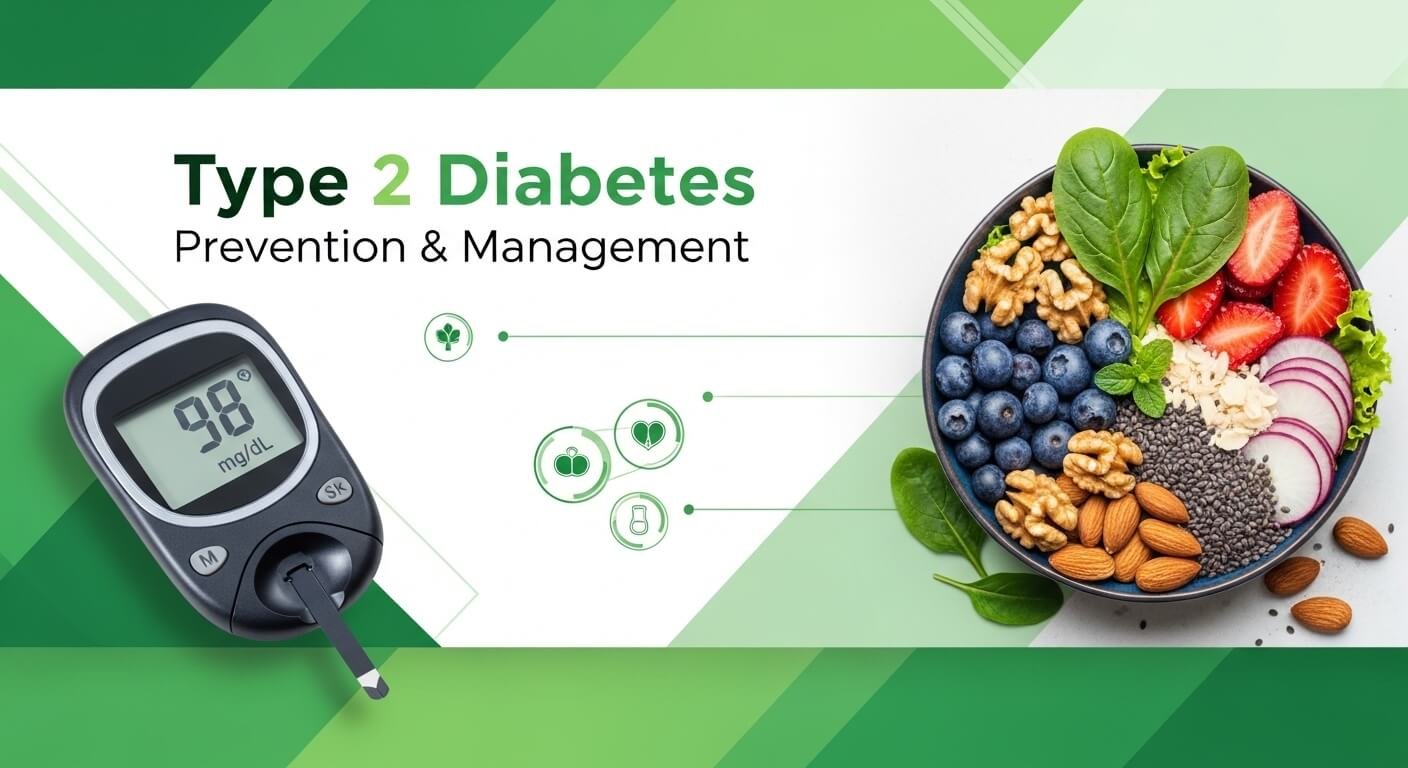
Type 2 diabetes is one of the most prevalent chronic diseases in the world, affecting hundreds of millions of people and accounting for an enormous burden of illness, disability, and premature death.
And yet, it is also one of the most preventable and manageable conditions in modern medicine. The key lies in understanding how it develops, what drives it, and what you can do — starting today — to prevent or manage it effectively.
What Is Type 2 Diabetes?
Type 2 diabetes is a metabolic disorder characterized by chronically elevated blood glucose (sugar) levels. It develops when the body either does not produce enough insulin — a hormone made by the pancreas that regulates blood sugar — or does not use insulin effectively, a condition called insulin resistance. As a result, glucose accumulates in the bloodstream instead of being used by cells for energy.
Unlike type 1 diabetes, which is an autoimmune condition typically diagnosed in childhood or young adulthood, type 2 diabetes usually develops in adults and is strongly associated with lifestyle factors such as diet, physical inactivity, and excess body weight. However, genetic predisposition also plays a role, and the condition is increasingly being diagnosed in children and adolescents.
How Does Insulin Resistance Develop?
Insulin resistance is the cornerstone of type 2 diabetes. It occurs when cells in the muscles, liver, and fat tissue stop responding normally to insulin. The pancreas compensates by producing more insulin, but over time it may not be able to keep up with the demand. Blood sugar levels then begin to rise, first after meals (postprandial hyperglycemia) and eventually in the fasting state.
A diet high in refined carbohydrates and added sugars, combined with physical inactivity, excess body fat — particularly around the abdomen — and poor sleep are all major drivers of insulin resistance. Chronic inflammation and certain hormonal imbalances also contribute.
Recognizing the Warning Signs
Type 2 diabetes often develops gradually and many people have no symptoms in the early stages. When symptoms do appear, they may include frequent urination, excessive thirst, unexplained fatigue, blurred vision, slow-healing wounds, frequent infections, and tingling or numbness in the hands and feet. The prediabetes stage — when blood sugar is elevated but not yet high enough to be classified as diabetes — often goes undetected. This is why regular screening is so important, especially if you have risk factors.
Complications of Unmanaged Diabetes
Chronically elevated blood sugar damages blood vessels and nerves throughout the body, leading to serious complications. These include cardiovascular disease (diabetes roughly doubles the risk of heart attack and stroke), kidney disease (diabetic nephropathy is a leading cause of kidney failure), neuropathy (nerve damage causing pain, numbness, or weakness, often in the feet), retinopathy (damage to blood vessels in the eye that can lead to blindness), and foot complications that can lead to amputation.
Early detection and proactive management dramatically reduce the risk of these complications. People with well-managed diabetes can live long, full, and healthy lives.
Diagnosis and Screening
Diabetes is diagnosed through blood tests. A fasting plasma glucose of 126 mg/dL or higher on two separate occasions, an HbA1c of 6.5% or higher, or a two-hour plasma glucose of 200 mg/dL or more during an oral glucose tolerance test all indicate diabetes. Prediabetes is defined as fasting glucose between 100 and 125 mg/dL or an HbA1c between 5.7% and 6.4%.
The American Diabetes Association recommends screening all adults aged 35 and older, as well as adults of any age who are overweight or obese and have one or more additional risk factors such as a family history of diabetes, physical inactivity, or a history of gestational diabetes.
Preventing Type 2 Diabetes
Lose Excess Weight
Losing even a modest amount of weight — 5 to 7 percent of body weight — has been shown in landmark studies to reduce the risk of developing type 2 diabetes by up to 58 percent in high-risk individuals. Weight loss improves insulin sensitivity and reduces the burden on the pancreas.
Eat a Balanced, Low-Glycemic Diet
A diet that minimizes rapid spikes in blood sugar is central to diabetes prevention and management. Focus on whole foods: non-starchy vegetables, legumes, whole grains, lean proteins, healthy fats, and low-sugar fruits. Limit processed foods, sugary beverages, white bread, white rice, and pastries. The Mediterranean diet and plant-based diets have both shown strong evidence in reducing diabetes risk.
Exercise Regularly
Physical activity increases insulin sensitivity by helping muscles absorb and use glucose more effectively. Both aerobic exercise and resistance training are beneficial. Aim for at least 150 minutes of moderate aerobic activity per week plus two to three sessions of strength training. Even breaking up prolonged sitting with short walks can improve blood sugar regulation.
Quit Smoking
Smokers are 30 to 40 percent more likely to develop type 2 diabetes than nonsmokers. Smoking promotes insulin resistance and abdominal fat accumulation. Quitting smoking significantly reduces this risk and improves overall metabolic health.
Managing Type 2 Diabetes: Lifestyle Strategies
Blood Sugar Monitoring
Regular monitoring of blood glucose levels helps you understand how food, exercise, stress, and medication affect your numbers. Your doctor will advise on how often to test based on your treatment plan. Continuous glucose monitors (CGMs) have become increasingly accessible and provide real-time insights.
Meal Planning and Carbohydrate Awareness
Carbohydrates have the greatest impact on blood sugar. Learning to count carbohydrates or following a consistent carbohydrate diet can help stabilize blood glucose levels. Working with a registered dietitian who specializes in diabetes can be enormously helpful in developing a personalized eating plan.
Physical Activity as Medicine
Exercise is a particularly powerful tool for people with type 2 diabetes. It lowers blood glucose immediately and improves insulin sensitivity for up to 24 hours afterward. For many people, regular exercise can reduce — or even eliminate — the need for diabetes medication, particularly in the early stages of the disease.
Stress Management and Sleep
Stress hormones like cortisol and adrenaline raise blood sugar levels. Managing stress through mindfulness, relaxation techniques, adequate social support, and professional counseling where needed is an important part of diabetes management. Sleep deprivation also impairs glucose metabolism, so prioritizing seven to nine hours of quality sleep is essential.
Medications for Type 2 Diabetes
Metformin is typically the first medication prescribed for type 2 diabetes. It works by reducing glucose production in the liver and improving insulin sensitivity. Other classes of medications include SGLT2 inhibitors, GLP-1 receptor agonists, DPP-4 inhibitors, sulfonylureas, and insulin. Many of these newer medications also offer cardiovascular and kidney-protective benefits. Medication decisions should always be made in partnership with your healthcare provider.
The Role of Technology
Technology is transforming diabetes management. Continuous glucose monitors provide real-time blood sugar readings, helping people understand patterns and make timely adjustments. Insulin pumps offer more precise insulin delivery. Smartphone apps can track meals, activity, and blood sugar trends. Telehealth has expanded access to diabetes educators, dietitians, and endocrinologists.
Conclusion
Type 2 diabetes is a serious condition with wide-reaching health consequences, but it is not inevitable, and for many people, it is not irreversible. With the right combination of lifestyle changes, ongoing monitoring, and medical support, you can prevent the disease if you are at risk, manage it effectively if you have been diagnosed, and in some cases, achieve remission. Knowledge is power — and this condition rewards those who choose to understand and actively manage it.
Disclaimer: This article is for informational purposes only and does not constitute medical advice. Always consult a qualified healthcare provider for personal health guidance.