

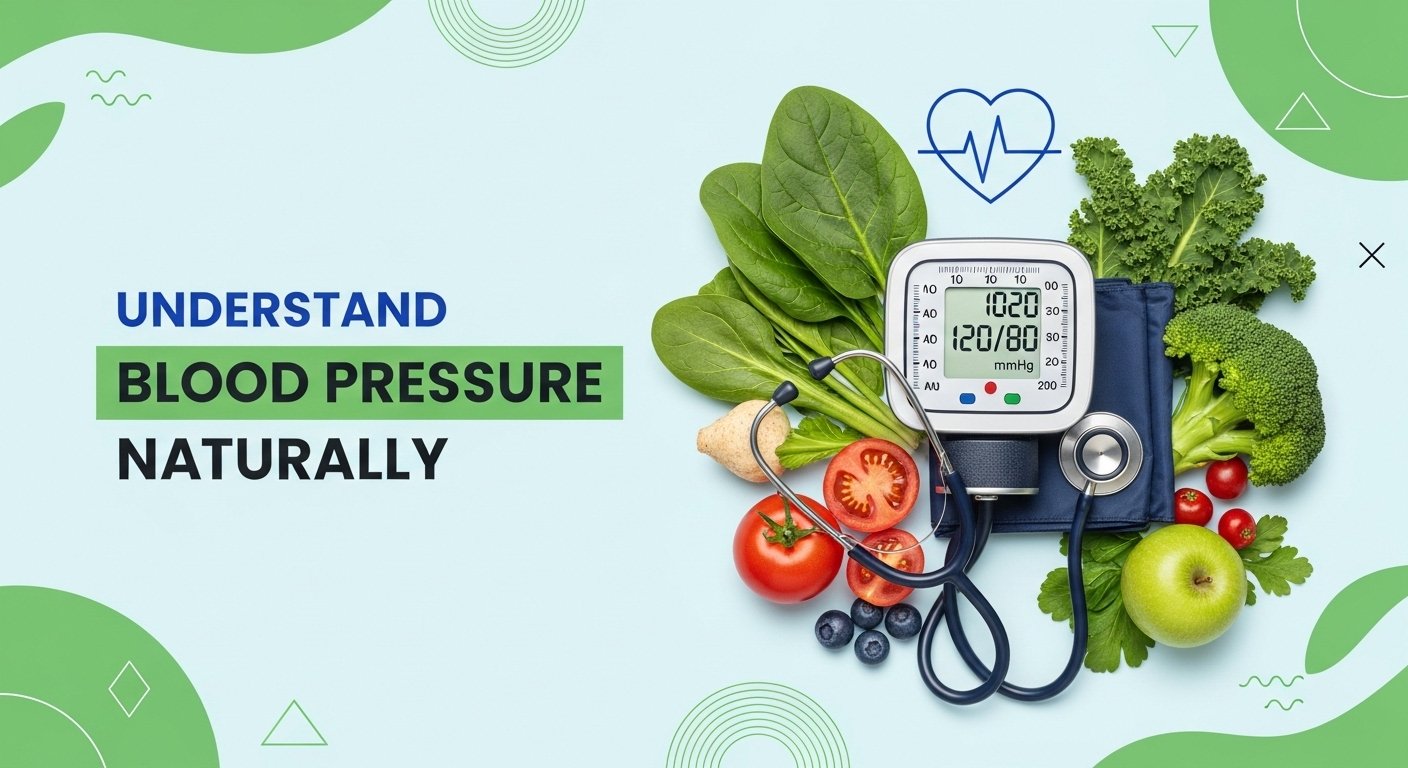
Understanding Blood Pressure: Blood pressure is one of the most important vital signs of human health, yet it is also one of the most misunderstood. Millions of people around the world live with high blood pressure — also known as hypertension — often without knowing it. Called the ‘silent killer,’ hypertension rarely causes obvious symptoms until serious damage has already been done to the heart, kidneys, brain, or blood vessels.
Understanding blood pressure — what it is, what causes it, and how to manage it naturally — empowers you to take control of one of the most significant risk factors for heart disease and stroke. This comprehensive guide covers everything you need to know.
What Is Blood Pressure?
Blood pressure is the force that your blood exerts against the walls of your arteries as your heart pumps it through your body. It is measured in millimeters of mercury (mmHg) and recorded as two numbers. The first, or systolic pressure, measures the pressure when your heart beats. The second, or diastolic pressure, measures the pressure between beats when your heart is at rest.
A normal reading is typically around 120/80 mmHg. Blood pressure is considered elevated when systolic is between 120 and 129 mmHg. Stage 1 hypertension is defined as 130 to 139 systolic or 80 to 89 diastolic. Stage 2 hypertension is 140 or higher systolic or 90 or higher diastolic. A hypertensive crisis — requiring immediate medical attention — occurs when readings exceed 180/120 mmHg.
What Causes High Blood Pressure?
Primary (Essential) Hypertension
In about 90 to 95 percent of cases, there is no single identifiable cause. This is called primary or essential hypertension, and it tends to develop gradually over many years. It is influenced by a combination of genetic, environmental, and lifestyle factors.
Secondary Hypertension
In the remaining 5 to 10 percent of cases, hypertension is caused by an identifiable underlying condition, such as kidney disease, thyroid disorders, sleep apnea, or certain medications. Addressing the underlying cause can often normalize blood pressure.
Key Risk Factors
Several factors are known to increase the risk of developing hypertension. Age is one of the most significant — blood pressure tends to rise as we get older because arteries naturally become stiffer. Family history plays a role, as does race, with Black adults at higher risk in the United States. Overweight and obesity, physical inactivity, a high-sodium diet, excessive alcohol consumption, and chronic stress are all well-established modifiable risk factors.
Why Hypertension Is So Dangerous
Uncontrolled high blood pressure forces the heart to work harder than normal to pump blood through narrowed or stiff arteries. Over time, this extra strain damages the heart muscle, leading to heart failure. The constant pressure can also damage the inner lining of arteries, making them more susceptible to the buildup of fatty plaques — a condition called atherosclerosis — which dramatically increases the risk of heart attack and stroke.
Hypertension is also a leading cause of kidney disease, as the damaged blood vessels in the kidneys impair their ability to filter waste. It can cause vision problems by damaging the delicate blood vessels of the retina. And it is a major risk factor for vascular dementia, as damaged blood vessels in the brain restrict blood flow.
Natural Strategies to Manage Blood Pressure
Reduce Sodium Intake
Excess sodium causes the body to retain fluid, increasing blood volume and therefore blood pressure. The American Heart Association recommends no more than 2,300 mg of sodium per day for most adults, and ideally 1,500 mg for those with hypertension. Most dietary sodium comes not from the salt shaker but from processed foods, restaurant meals, bread, and canned goods. Reading nutrition labels and cooking at home more often are effective strategies.
Follow the DASH Diet
The Dietary Approaches to Stop Hypertension (DASH) diet is one of the most evidence-based dietary patterns for lowering blood pressure. It emphasizes fruits, vegetables, whole grains, lean proteins, and low-fat dairy, while limiting saturated fats, added sugars, and sodium. Studies consistently show it can lower systolic blood pressure by 8 to 14 mmHg.
Exercise Regularly
Regular aerobic exercise can lower systolic blood pressure by 5 to 8 mmHg. Activities like walking, jogging, cycling, and swimming are particularly effective. Aim for at least 150 minutes per week. Resistance training is also beneficial. Even short bouts of movement throughout the day can help counter the effects of prolonged sitting.
Limit Alcohol
Drinking more than one drink per day for women and two for men is associated with elevated blood pressure. Reducing alcohol intake can lower systolic pressure by 2 to 4 mmHg. If you choose to drink, moderation is key.
Quit Smoking
Each cigarette you smoke temporarily raises blood pressure. The chemicals in tobacco also damage the walls of your blood vessels, promoting inflammation and narrowing of the arteries. Quitting smoking is one of the most impactful things you can do for cardiovascular health.
Manage Stress
While the direct long-term link between stress and hypertension is still being studied, stress-driven behaviors — like overeating, drinking, and poor sleep — clearly raise blood pressure. Relaxation techniques like deep breathing, meditation, yoga, and spending time in nature can help regulate the physiological stress response.
Maintain a Healthy Weight
Even modest weight loss can make a meaningful difference. Losing just 5 to 10 percent of body weight has been shown to significantly reduce blood pressure. Weight loss particularly helps when it reduces abdominal fat, which is especially associated with cardiovascular risk.
Increase Potassium Intake
Potassium helps counteract the blood-pressure-raising effects of sodium by helping the kidneys excrete more sodium. Good sources include bananas, sweet potatoes, avocados, beans, spinach, and tomatoes. Talk to your doctor before dramatically increasing potassium if you have kidney disease.
When Medication Is Needed
Lifestyle changes are powerful, but they may not be sufficient for everyone. If your blood pressure remains elevated despite lifestyle modifications, your doctor may recommend medication. Common classes include ACE inhibitors, calcium channel blockers, diuretics, and beta-blockers. Medication and lifestyle changes together are more effective than either alone.
Monitoring Your Blood Pressure at Home
Home blood pressure monitoring is recommended for many people with hypertension. It can provide a more accurate picture of your average readings than occasional office visits and helps you see how lifestyle changes are affecting your numbers. Use a validated upper-arm monitor, sit quietly for five minutes before measuring, and take readings at the same time each day.
Conclusion
Blood pressure is a critical indicator of cardiovascular health. The good news is that hypertension is largely preventable and manageable with lifestyle changes. By understanding your risks, monitoring your numbers, and making consistent, healthy choices, you can protect your heart, brain, and kidneys for the long term. Always work with your healthcare provider to develop a personalized plan that is right for you.
Disclaimer: This article is for informational purposes only and does not constitute medical advice. Always consult a qualified healthcare provider for personal health guidance.